
Master the Markets: A Comprehensive Guide to Learning Forex Trading
If you’re looking to learn Forex trading, you’ve come to the right place. Forex, or foreign exchange, is the largest financial market in the world, where currencies are traded 24 hours a day. With the potential for high returns, it’s no wonder that many people are interested in diving into this exciting field. Whether you’re a complete beginner or someone looking to refine your skills, this guide will help you navigate the complexities of Forex trading. Don’t forget to check out learn forex trading Trading Broker ZA for reliable brokerage services that can support your trading journey.
Understanding the Basics of Forex Trading
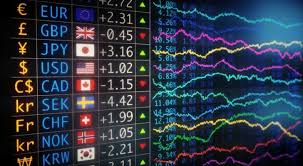
Before you jump into Forex trading, it’s crucial to understand some basic concepts. Forex trading involves buying one currency while simultaneously selling another in a currency pair, such as EUR/USD. The first currency is known as the base currency and the second as the quote currency. The price of the currency pair indicates how much of the quote currency is needed to purchase one unit of the base currency.
Learning Forex Market Terminology
Familiarizing yourself with Forex terminology is essential. Here are some key terms to get you started:
- Pip: The smallest price move that a given exchange rate can make based on market convention.
- Leverage: A way to gain larger exposure to the market than the amount you deposited to open a trade.
- Spread: The difference between the bid price and the ask price of a currency pair.
- Lot: A standardized unit measuring the size of a trade.
Choosing a Trading Style
There are various trading styles to choose from, each with its own techniques and time commitments. The main styles include:
- Scalping: Involves making numerous trades throughout the day to capture small price movements.
- Day Trading: Traders buy and sell within the same trading day, closing all positions before the market closes.
- Swing Trading: This style involves holding positions for several days or weeks to capture larger price moves.
- Position Trading: Traders hold positions for months or even years, analyzing long-term trends.
Fundamental and Technical Analysis
To succeed in Forex trading, you need to understand both fundamental and technical analysis.
Fundamental Analysis
This involves evaluating economic indicators, news events, and geopolitical factors that can influence currency values. Key indicators include:

Technical Analysis
Technical analysis focuses on analyzing price charts and identifying patterns and trends. Traders use various tools, including:
Risk Management in Forex Trading
One of the most critical aspects of Forex trading is risk management. Effective risk management strategies can help protect your account from significant losses. Here are some tips:
- Never risk more than a small percentage of your trading capital on a single trade.
- Use stop-loss orders to limit potential losses.
- Diversify your trades across different currency pairs.
- Keep emotions in check and stick to your trading plan.
Developing a Trading Plan
Having a well-defined trading plan is critical for Forex trading success. Your trading plan should include:
Choosing a Forex Broker
Selecting the right Forex broker is essential for your trading success. Look for a broker that offers:
Practicing with a Demo Account
Before you start trading with real money, it’s wise to practice with a demo account. Most brokers offer demo accounts that allow you to trade with virtual currency. This practice can help you:
Staying Updated and Continuing Education
The Forex market is ever-changing, so it’s crucial to stay informed about market developments and economic news. Additionally, consider continuing your education through:
Conclusion
Learning Forex trading requires time, effort, and dedication. By understanding the basics, choosing a trading style, conducting thorough analysis, and practicing good risk management, you can increase your chances of success in this dynamic market. Remember to keep learning and adapting as market conditions change, and soon you’ll be on your way to mastering the Forex trading world.